Fratelli Piccini Today
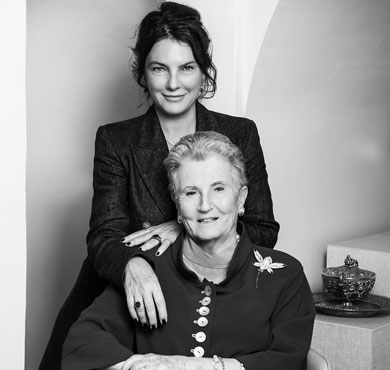
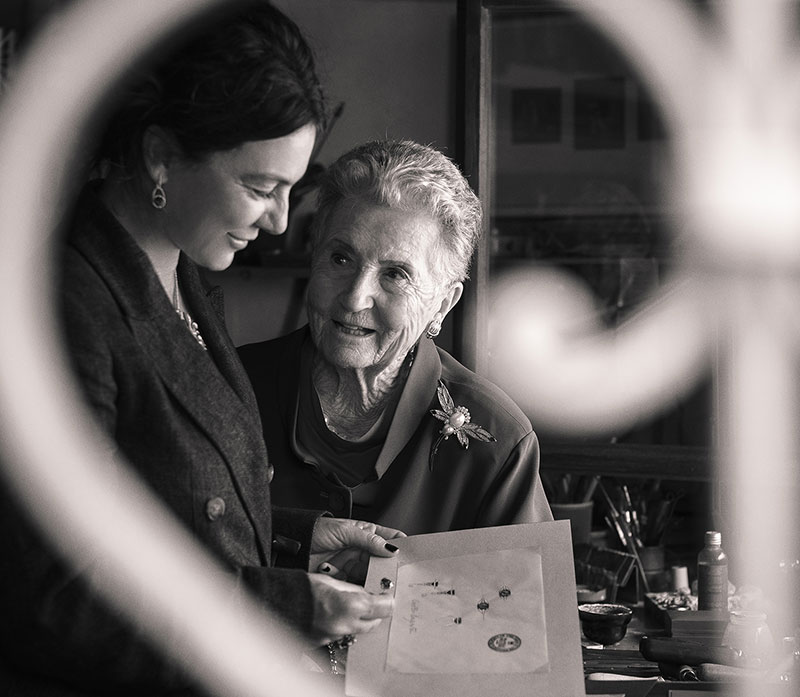
Elisa Tozzi Piccini, fourth-generation jeweler, is at the helm of the Florentine Maison. She is heir to not only the company but also to the authentic spirit and talent of her great uncle, Armando. She still nourishes the same great love for creating unique jewelry from an all-encompassing passion for life as nature, art, and beauty.
Armando Piccini Award
In partnership with:

WE BELIEVE IN THE POWER OF HANDS
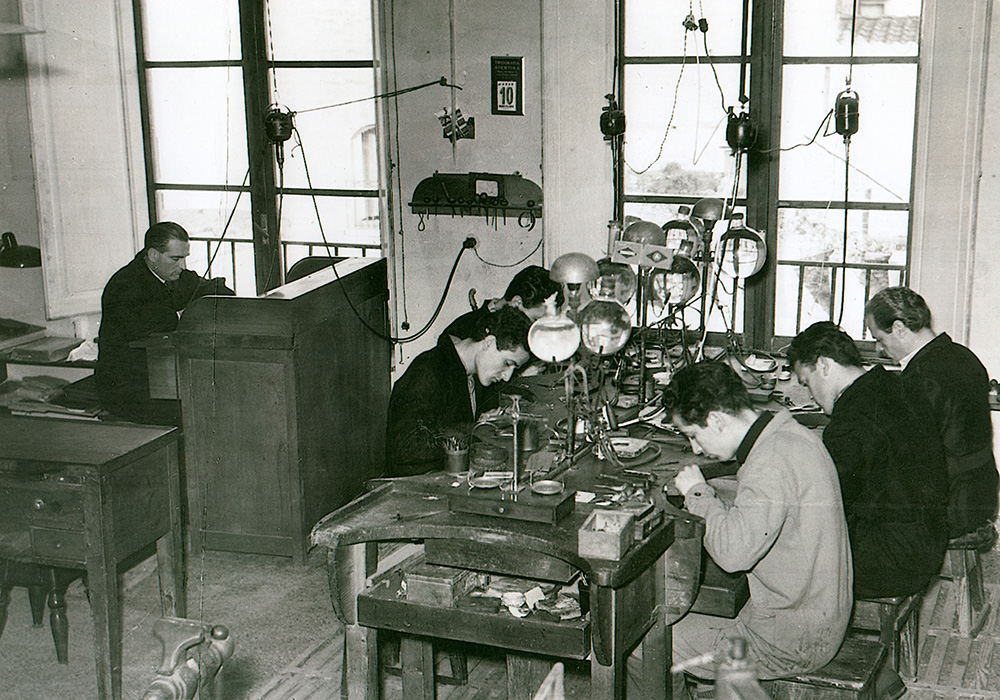
This project has been launched at the behest of the Family, especially Elisa Tozzi Piccini, Maison CEO. It aims to promote goldsmith art and new job opportunities for future generations, based on reinforcing young goldsmith talent and training specialists.
The Florentine Maison has always focused on the relevance of knowing and preserving the traditional techniques while studying and experimenting with the most innovative ones.
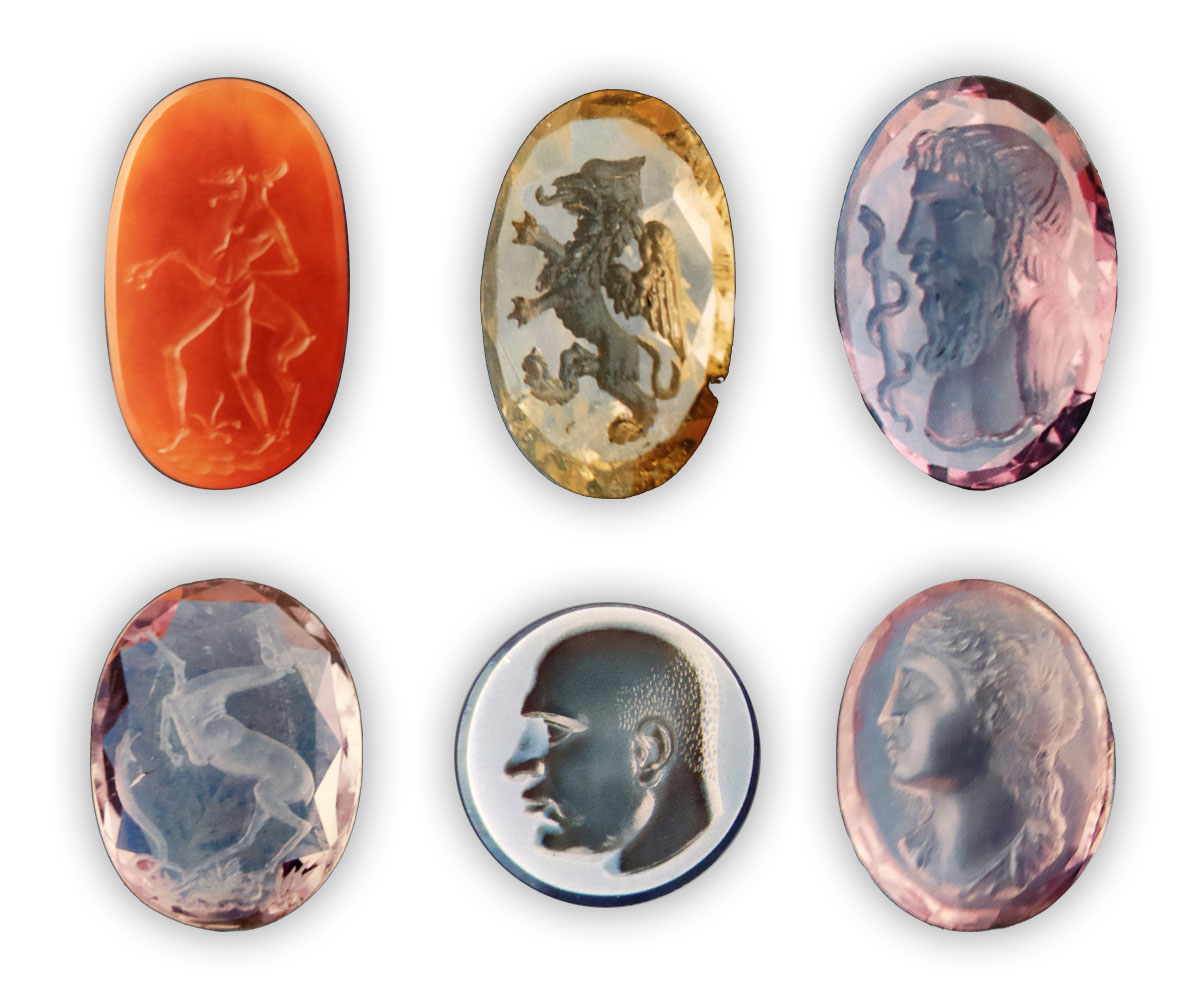
The Award is in the name of Armando Piccini. This artist-engraver won the Venice Biennale when he was only 23-year olds with his 14 engraved stones that are now on display at the Tesoro dei Granduchi Museum, Palazzo Pitti. He also won two International Diamond Awards in New York and Buenos Aires.
Please visit the website dedicated to the Armando Piccini Award: www.armandopiccini.it
Centennial Excellence
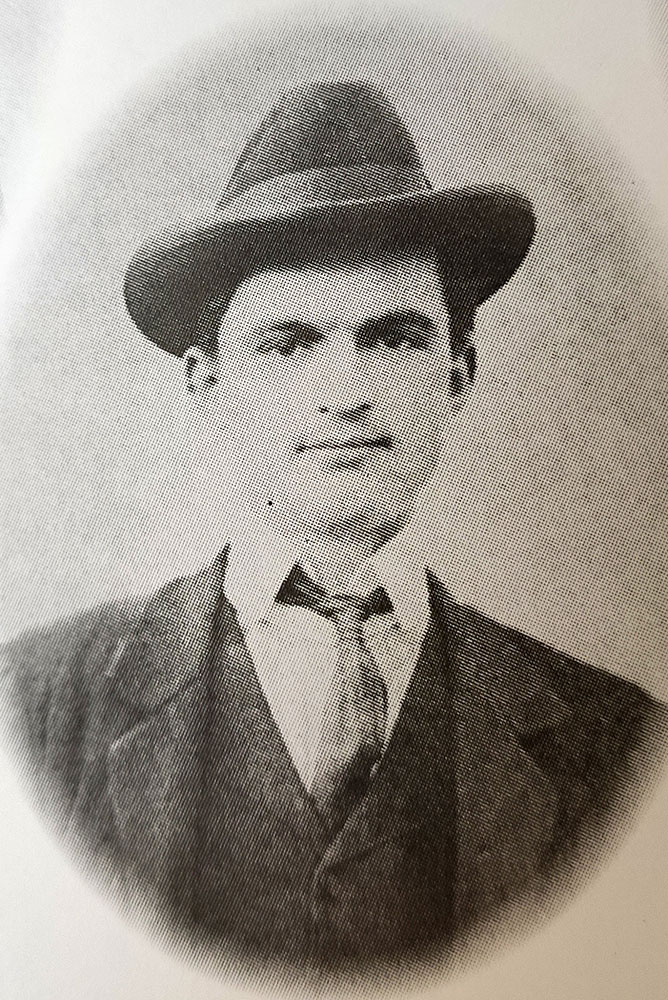
Birth of Pirro Piccini, goldsmith, engraver, setter, and founder of the Maison
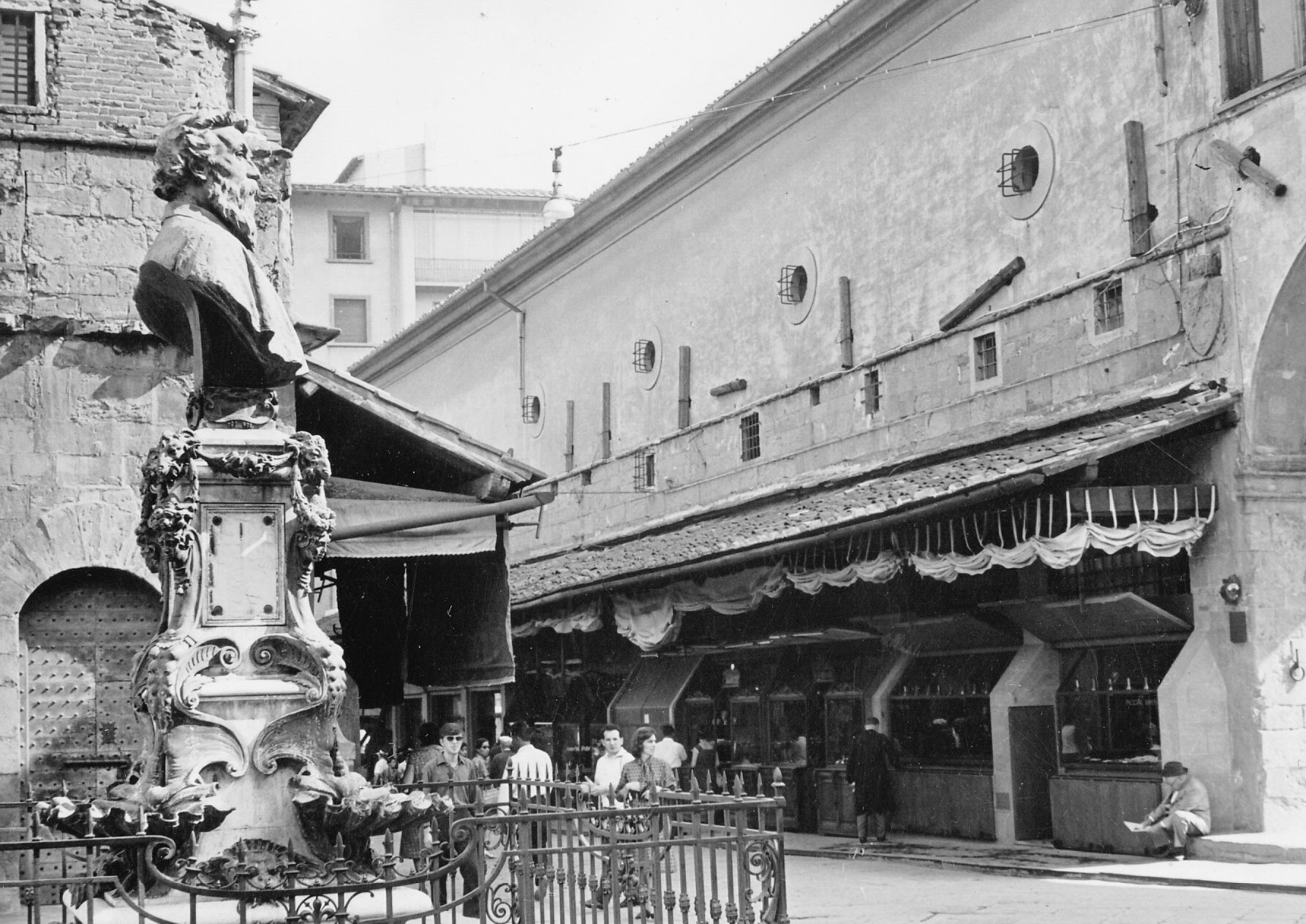
Piero Piccini opened the shop that bears his name at Ponte Vecchio, 23
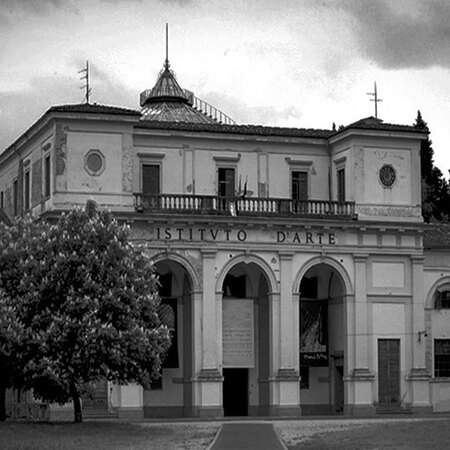
Armando Piccini, the youngest of Pirro’s three sons, began attending Porta Romana Art Institute. The great master, Libero Andreotti, mentored and later invited him to teach at the same school
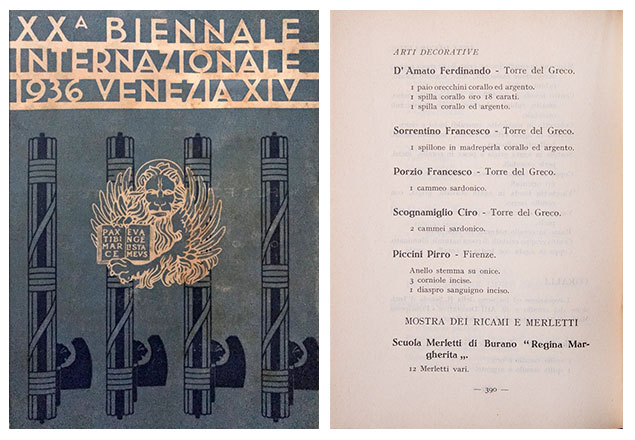
On behalf of his father’s firm, Armando Piccini took part in the 20th Venice Biennale and was awarded first prize in the semi-precious stones and cameos category.
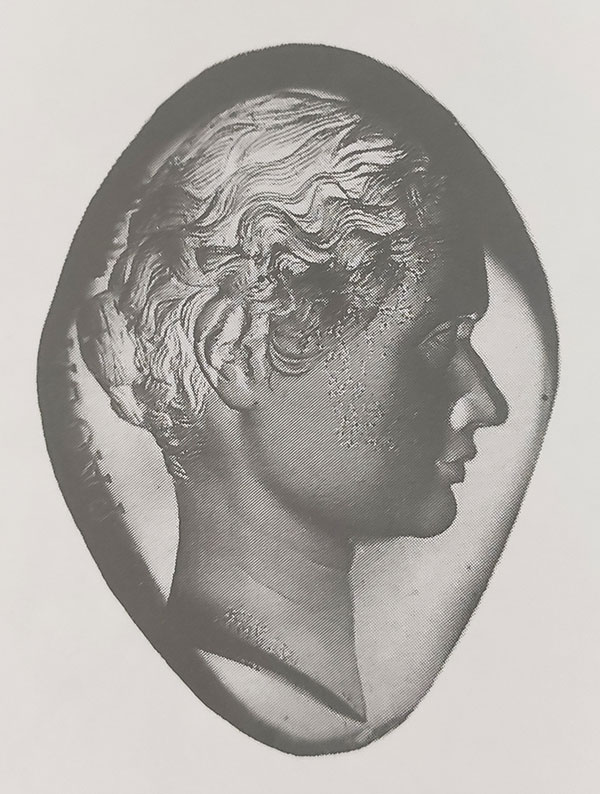
Ugo Ojetti, member of the Royal Academy of Italy, commissioned Armando Piccini to create a two-layer onyx cameo depicting his daughter Paola
Pirro Piccini handed the company over to his sons Renzo, Tebaldo, and Armando, renaming it Fratelli Piccini
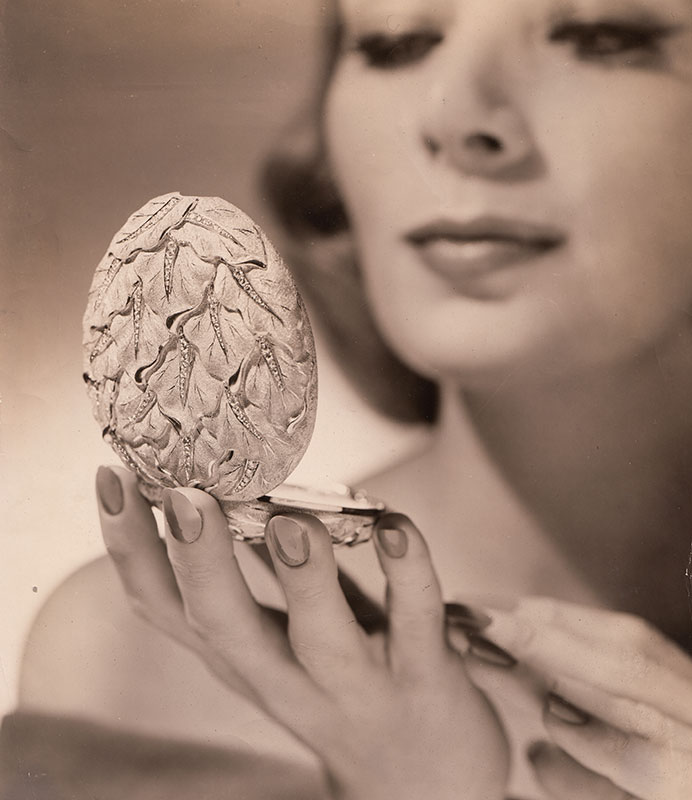
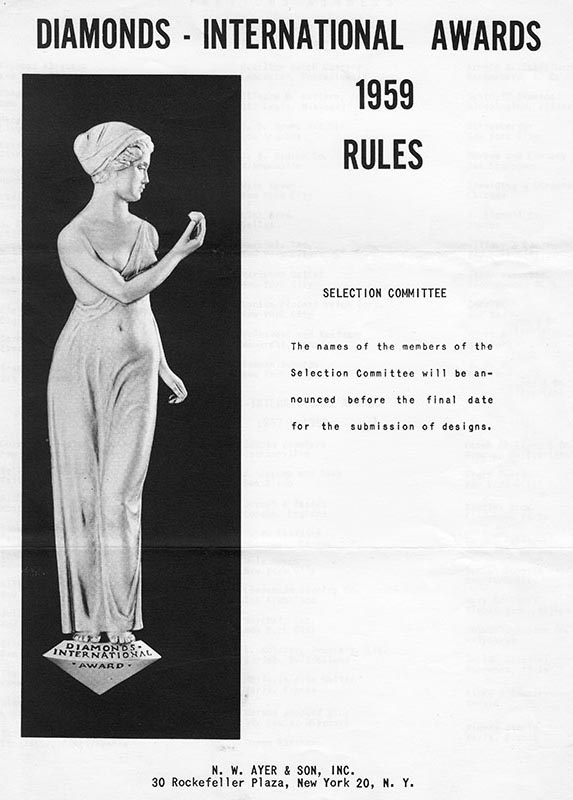
Fratelli Piccini participated in the International Diamond Awards competition in New York. Their powder case in gold, platinum, and diamonds—embossed and chiseled masterfully and entirely by hand—captured first place
As a confirmation of the international level of their mastery, Fratelli Piccini again won first prize at the International Diamond Awards in Buenos Aires
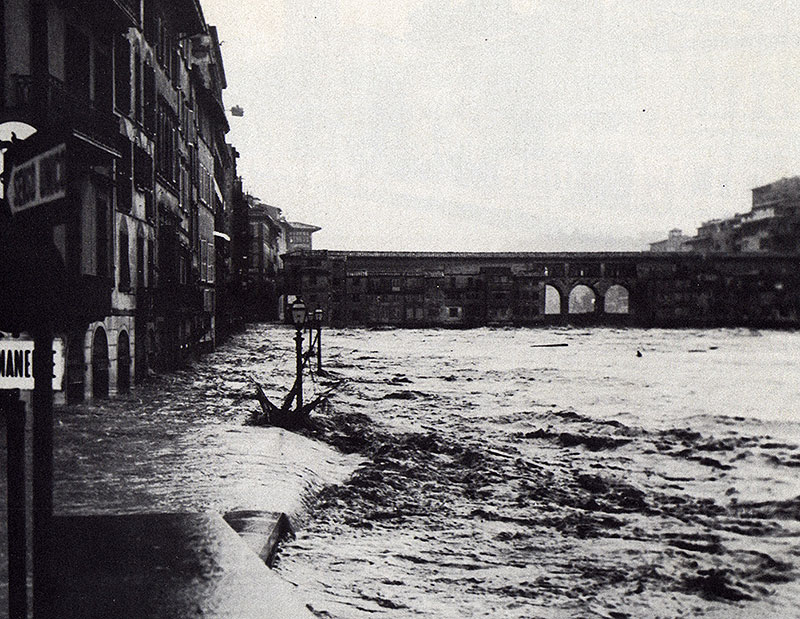
The Arno flood shattered Florence without sparing the Ponte Vecchio shops. However, thanks to the restoration and consolidation work carried out a few years earlier, Fratelli Piccini managed to save a great deal of their jewelry and historical archives from the fury of the Arno River
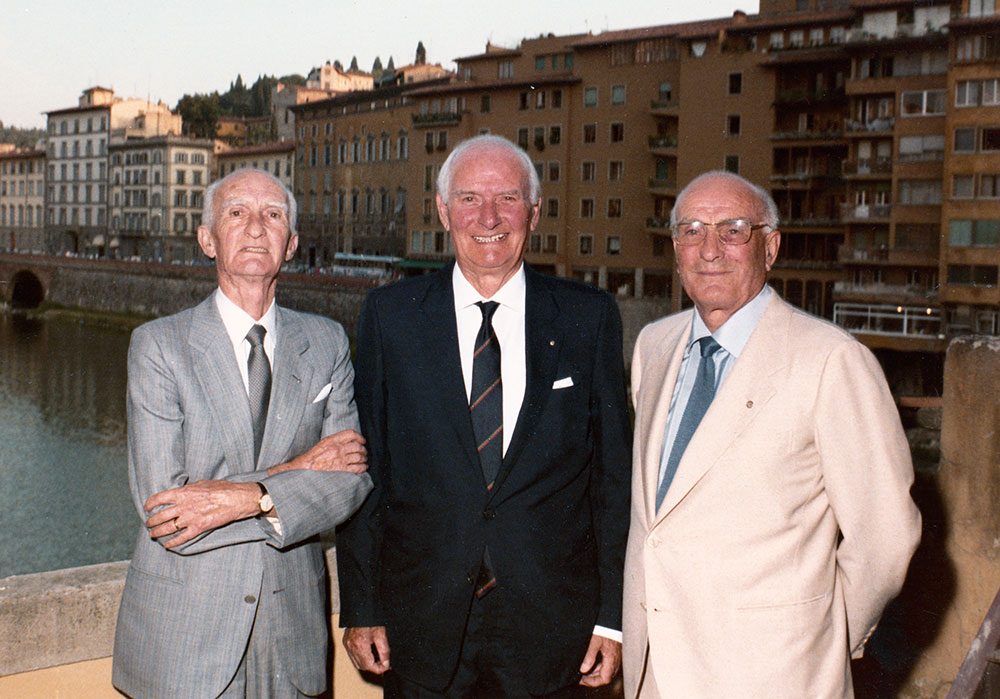
Renzo’s daughter, Laura Piccini, who entered the company in the mid-1950s, began assisting Armando in the search and selection of precious stones all over the world
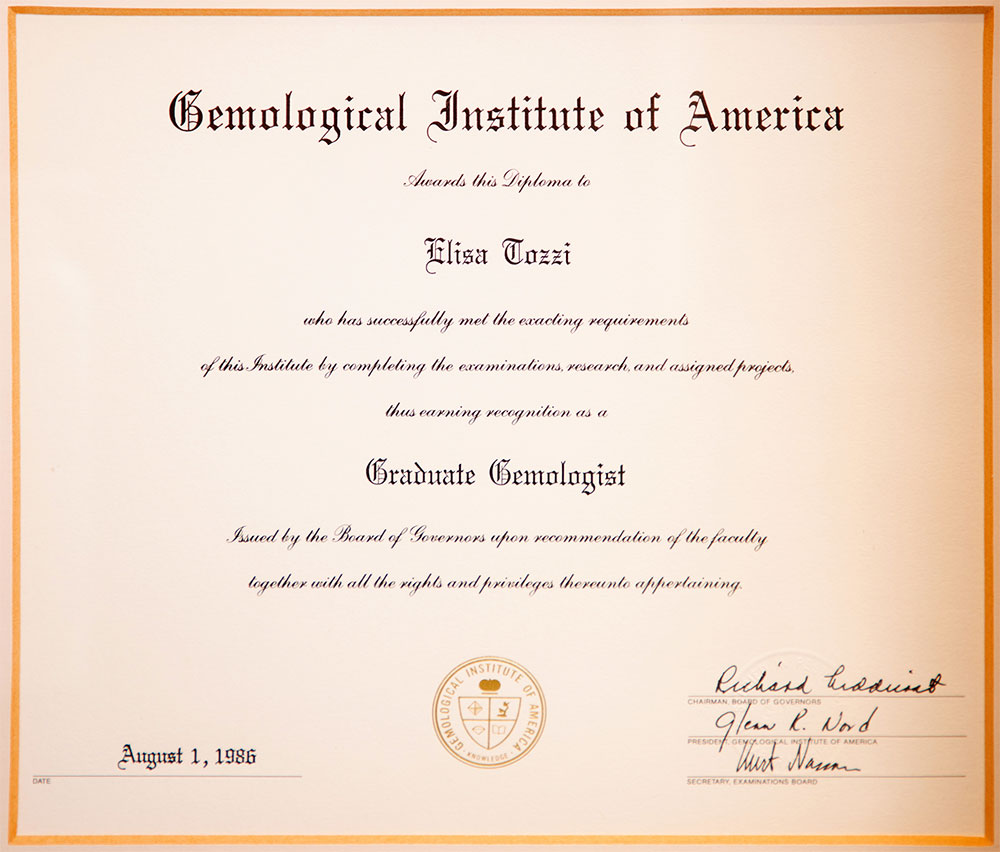
Laura’s daughter, Elisa Tozzi Piccini, graduated in gemology from the GIA in Los Angeles
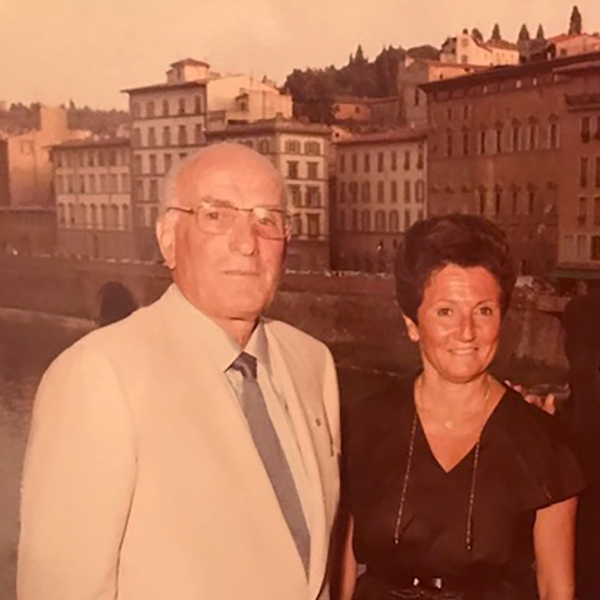
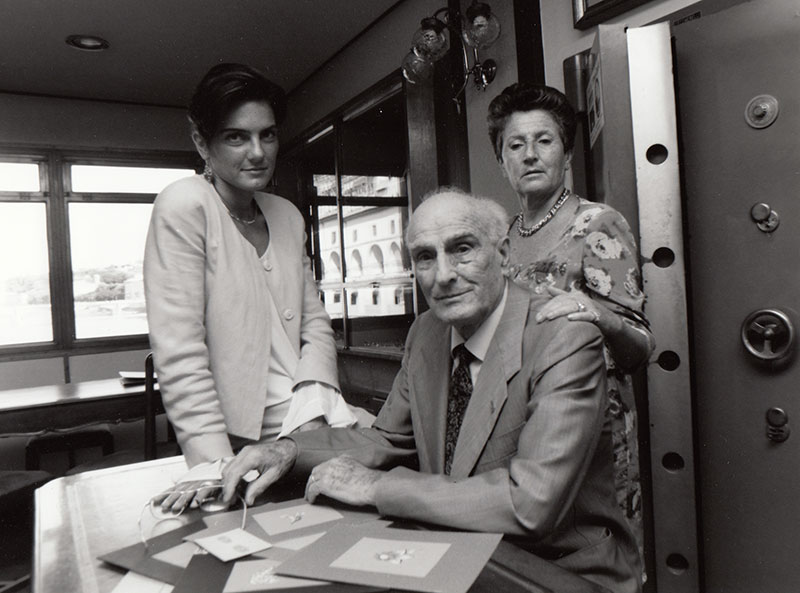
Laura Piccini took the reins of the company with her daughter Elisa by her side
Fratelli Piccini celebrated their first 90 years of business with an exhibition of their creations at the Bardini Museum. To honor this important milestone, they donated 14 engraved semi-precious stones to the City of Florence. These stones had won the 20th Venice Biennale first prize and are now housed in the Tesoro dei Granduchi Museum at Palazzo Pitti
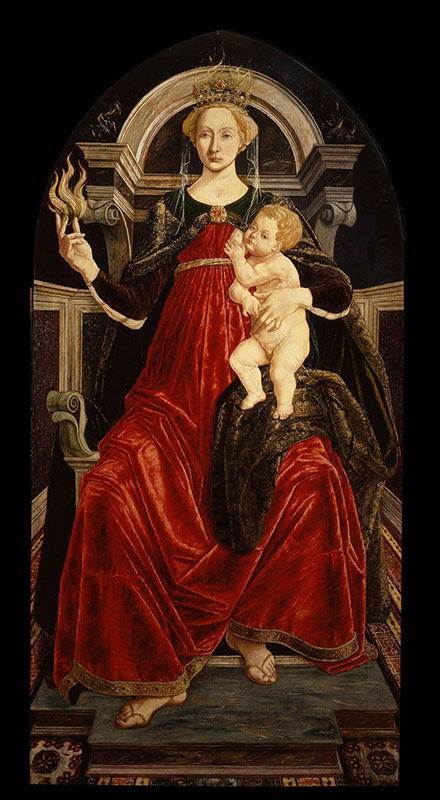
The Maison celebrated its 100th anniversary by restoring the Charity by Piero del Pollaiolo. Out of the seven Virtues series, only this painting shows a jewel with a preparatory sketch by his well-known brother, Antonio, on its back.
Elisa Tozzi Piccini was appointed as the fourth generation leader of the family business. She contributed a personal, contemporary touch to the Maison’s centenary traditions
The Armando Piccini Award Jewelry Design Competition was established. This initiative came from Elisa Tozzi Piccini’s desire to bring young talent closer to the art of goldsmiths
1880
1903
1925
1936
1937
1951
1958
1959
1966
1970
1986
1990
1993
2003
The Superintendent of the Polo Museale Fiorentino, Director of the Vatican Museums, and Minister for Cultural and Environmental Heritage, Professor Antonio Paolucci, together with the philosopher and scholar, Professor Massimo Cacciari, presented this important initiative at the Uffizi Library (former Magliabechian Library).
Since then, the work has been on permanent display at the Uffizi Gallery
2013
2017